
Conventional Home Loans
If you have steady income and solid credit, a conventional loan is often the most cost-effective way to finance a home.
If you have steady income and solid credit, a conventional loan is often the most cost-effective way to finance a home.
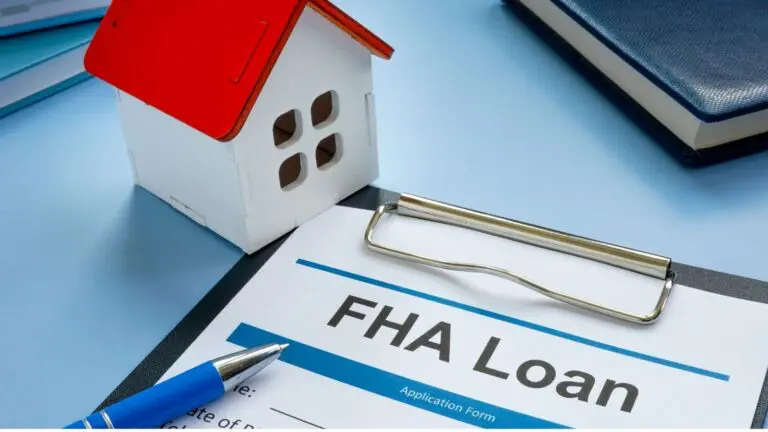
Backed by the Federal Housing Administration, FHA loans open the door for buyers working with a smaller down payment or a credit history that’s still coming together.

A VA loan is a benefit earned through service. Backed by the federal government, it helps active service members, veterans, and eligible spouses buy a home — often with no down payment and no mortgage

When the home you want costs more than the conforming loan limit for your county, a jumbo loan covers the gap.

Found a home with potential that needs some work? A renovation loan rolls the purchase price and the cost of improvements into one mortgage

Created to encourage homeownership in rural and developing communities, the USDA loan offers qualified buyers a path to a home with zero money down.

The DSCR loan lets real estate investors qualify on the strength of a property’s rental income rather than personal income.

This program is built for buyers who don’t have standard pay stubs, W-2s, or steady employment but are ready to own.
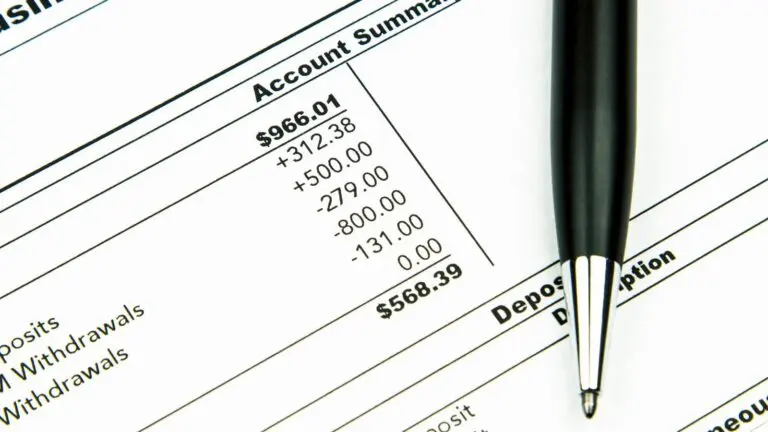
If you’re self-employed and tired of traditional income paperwork, this program qualifies you on your bank deposits instead.

No Social Security number? Homeownership is still within reach. This program is built for buyers with a valid Individual Taxpayer Identification Number.

For self-employed borrowers whose tax returns understate their real earnings after deductions, this program lets a CPA-prepared Profit & Loss statement carry the qualification.

A cash offer carries real weight. NAF Cash lets you compete like a cash buyer — winning in multiple-offer situations, closing faster, and often earning seller discounts that financed offers can’t match.